English
 Français


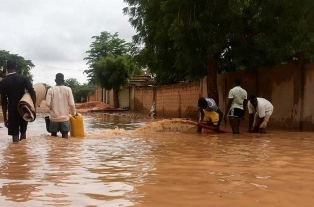 Over the past thirty days, the traditionally arid Sahel-Saharan strip has recorded unprecedented rainfall, 600% above the reference average in some regions.
The human toll is already high, with over 1 000 dead and 3 million displaced, including 700 000 in Niger and another 400 000 in northern Nigeria. The material damage is also high.
Infrastructure, crops and homes have been severely damaged or even destroyed. Entire towns have been isolated and cut off from the rest of the world by the flood waters.
Disaster-affected populations are facing a triple threat: the destruction of their property, food insecurity and the spread of disease.
Beyond the humanitarian emergency, the exceptional flooding in the Sahara raises questions about our ability to adapt to a rapidly changing climate. It also highlights the vulnerability of the most exposed societies, and the heavy toll paid by those countries least responsible for global warming.
Read also | Bad weather and flooding in Chad